Paws, Property and the Vet Bill: Who Really Owns the Pet After a Split?
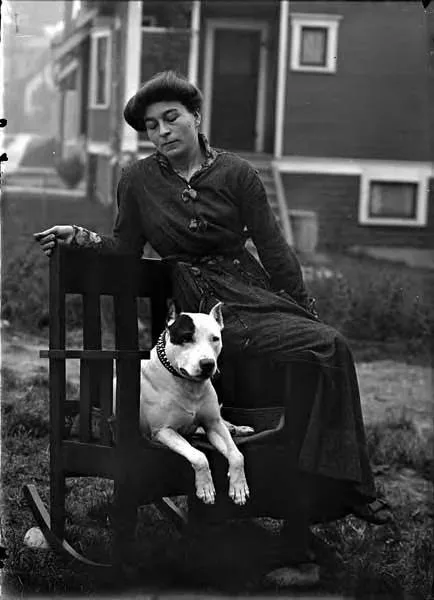
Photo: Unknown authorUnknown author, Public domain, via Wikimedia Commons
Break-ups are messy enough without a stand-off over who gets the cockapoo. But pet disputes are surprisingly common, and they can get surprisingly bitter. One person has the dog, the other has the vet receipts, and both are absolutely certain that the animal is theirs. So what does the law actually say?
Here at Alison’s Legal, we like to start with the unromantic truth: in UK law, a pet is property. Not a child, not a family member with visitation rights, not a little furry person with a solicitor. Property. That does not mean the law ignores animal welfare – it doesn’t – but it does mean that a pet dispute is usually about ownership and evidence, not about who loves the animal more.
This is general information, not legal advice. If things get serious, speak to a solicitor who knows family or property law.
The law doesn’t do ‘pet custody’
You will hear people talk about ‘pet custody’ and ‘access visits’. It is understandable language, but it is not really how the legal system works. Family courts dealing with children are focused on the child’s welfare and can make orders about where a child lives and who they spend time with. Pets are not in that category.
If you are married or in a civil partnership, a pet can be treated as part of the assets in a divorce or dissolution. In practice, most couples agree who keeps the pet without a judge ever needing to get involved. A court is unlikely to spend a day weighing up who walks the dog more often, but the pet’s value and the practical arrangements can form part of the wider financial settlement.
If you are unmarried and living together, there is no automatic ‘common-law’ status to fall back on. The question is usually simpler and more brutal: who actually owns the pet?
So who owns the pet?
Ownership is rarely decided by who has the most emotional attachment. It is decided by evidence. Useful evidence can include:
- Who bought or adopted the pet, and any receipt, invoice or rehoming contract.
- Who signed the breeder’s contract or adoption paperwork.
- Whose name is on the microchip database – although a microchip is not, by itself, proof of ownership.
- Whose name is on the pet insurance policy.
- Who has been paying the vet bills, food bills and other day-to-day costs.
- Who registered the pet with the vet and who has been taking it to appointments.
- Any messages, emails or notes showing what you both intended when the pet arrived.
A common trap is assuming that the person who paid automatically owns the pet. If the animal was a gift, or if you both treated it as a shared pet, the position may be less clear. Equally, the person whose name is on the microchip may not be the owner if the chip was simply registered in their name for convenience. Microchips help reunite lost pets with humans; they do not settle arguments in court.
If you bought the pet together and both behaved as owners, there may be a case for joint ownership. That does not necessarily mean shared walks for the next decade. It may mean one person buys out the other, or that you agree a practical arrangement and put it in writing.
The awkward question of vet bills
Money is where pet disputes often get uncomfortable. One person may have paid the big emergency vet bill; the other may have paid for food, insurance and worming treatment for years. Who ‘wins’?
There is no simple formula. Payments can be evidence of ownership, but they can also be evidence of one person helping out. If you are the one hoping to keep the pet, gather a clear timeline: when the pet arrived, who paid for what, who arranged care, who was named on documents, and who has been doing the daily work. A folder of receipts is not romantic, but it is persuasive.
Also, do not let a dispute get in the way of the animal’s welfare. If the pet needs veterinary treatment, it needs veterinary treatment. Withholding care to score points is a bad look and may raise welfare concerns.
Mediation and written agreements
Going to court over a pet is usually expensive, slow and stressful. Mediation can be a much better route. A mediator can help you talk through who will keep the pet, whether any contact arrangements are realistic, and how costs will be handled. For married couples, a family mediator may be able to include the pet in wider discussions about money and property.
If you reach an agreement, put it in writing. It does not have to be a legal masterpiece, but it should be clear: who owns the pet, who pays for insurance and vet bills, what happens if one of you moves abroad, and whether there will be any agreed visits or updates. A written agreement is not always enforceable in the same way as a court order, but it reduces the chance of another argument later.
Be careful about using the pet as a bargaining chip in a wider financial dispute. It rarely ends well, and it can make a reasonable conversation much harder.
When is it worth taking further?
If your ex has the pet and you have strong evidence that the pet is yours, a solicitor’s letter may be enough to get things moving. If not, you may need to consider a court claim. The practical question is whether the value of the pet and the principle of the thing justify the legal costs. Sometimes they do; often they do not.
If you are worried about the animal’s welfare – for example, it is being neglected or kept in unsuitable conditions – contact the RSPCA or another animal welfare organisation. If you are married or in a civil partnership, raise the pet as part of the financial settlement rather than as a separate ‘custody’ fight. And if someone is simply refusing to hand over property that belongs to you, get advice before turning up on the doorstep.
A practical checklist
Keep copies of purchase or adoption papers, insurance documents, vet records and messages. Make a note of who paid for what. Do not change microchip details in a hurry without advice. Try to agree arrangements in writing. Put the pet’s welfare first. And remember: the law may see your pet as property, but that does not mean you have to behave like it is just a sofa. A calm, evidence-led approach is usually the one that gets the best result.