The 'Sea View' That Was a Car Park: Your Rights When the Holiday Let Doesn't Match the Photos
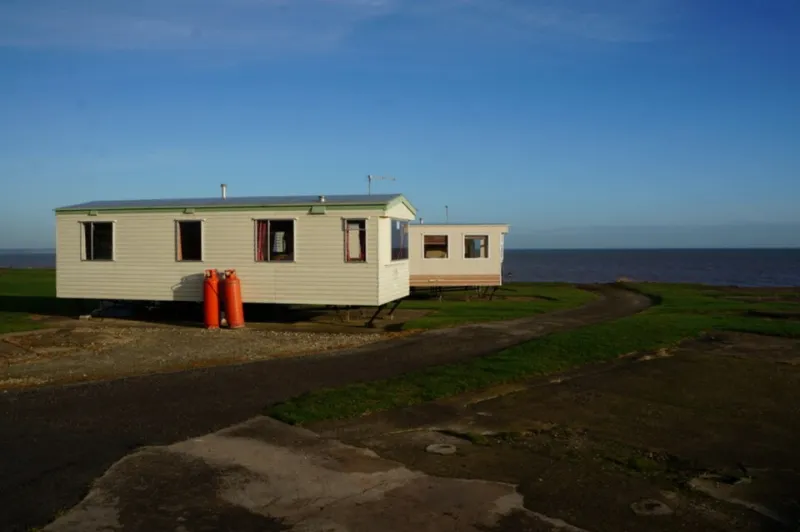
Photo: Ian S , CC BY-SA 2.0, via Wikimedia Commons
You've driven four hours. The key is in the lockbox. And the 'uninterrupted sea view' you paid extra for turns out to be the top edge of the sea, visible if you stand on a dining chair and lean left past a Ford Fiesta.
The 'wood burner' is a radiator. The 'peaceful garden' backs onto the A-road. The 'boutique kitchen' has one working hob ring and a kettle that has clearly seen things.
Bad luck? Partly. But there's a decent chance you've also got a legal argument, and it's stronger than most people assume.
The listing isn't marketing — it's part of the deal
When you book accommodation in the UK, the description that persuaded you to part with your money becomes a term of the contract. Under the Consumer Rights Act 2015, anything the trader says or writes before you book that you took into account is treated as part of what you agreed (section 50). Services must also be carried out with reasonable care and skill (section 49), and the property has to match how it was described.
If the gap between the listing and the reality is wide enough, you're also in misrepresentation territory. The Misrepresentation Act 1967 gives you remedies where a false statement of fact led you into the contract — and the person who made the statement has to prove they had reasonable grounds for believing it was true. That's a heavier burden than most hosts and letting agencies expect.
Two caveats worth knowing. First, the difference has to be material. A tired sofa, a missing corkscrew or a shower with opinions won't move the needle. A sea view that isn't a sea view, a 'private hot tub' that's cold and shared, 'sleeps eight' meaning four beds and a sofa, or photos of a completely different flat — that's where money starts moving.
Second, none of this requires you to be a nightmare guest. Politeness and firmness travel well together.
The 14-day cancellation right you don't have
Plenty of people assume they can cancel and walk away, distance-selling style. You can't. The Consumer Contracts Regulations 2013 exclude accommodation booked for a specific date, so the usual 14-day cooling-off period doesn't apply.
Which means the worst thing you can do is storm out and sort it out later. Leave without saying anything and you've handed the other side the easiest defence in the book: you didn't complain at the time, so it can't have been that bad.
Complain on the spot — properly
Do this before you unpack, not on the last morning.
- Film a slow walkthrough. Timestamped if possible, ending on the view from the window. One video beats twenty angry paragraphs written a week later.
- Screenshot the listing. Photos and descriptions get quietly edited the moment a complaint lands.
- Complain in writing, through the channel you booked on. Platform messages leave a record. A phone call to a mobile number doesn't.
- Say what you want. A repair, a move to a property that matches what you paid for, or a partial refund. Vague disappointment gets vague responses.
- Don't refuse a reasonable fix out of principle. If they offer comparable accommodation nearby and you turn it down, expect the refund conversation to go cold.
Platform booking versus booking direct
Booked through Airbnb, Booking.com, Vrbo or similar? Your contract is generally with the host rather than the platform, but the platform runs a resolution process and most of them hold your payment for 24 hours after check-in. Use that window. Open a case the same day and upload everything. Read the guest guarantee terms too — they vary enormously in what they'll actually cover.
Booked direct with an owner or a small agency? Then it's you and them. Read the terms you ticked. Some contain sweeping liability waivers, but a clause that tries to disclaim all responsibility for a description that's flatly untrue may not survive contact with consumer law.
Was it part of a package — flights plus accommodation, or two travel services sold together? The Package Travel and Transport Regulations 2018 give you stronger rights, and usually an ABTA or ATOL safety net behind them.
Getting the money back
1. Ask in writing, with a deadline. A short email setting out what was promised, what you got, and what you want. Give them 14 days. Keep it dry and factual; sarcasm feels good and reads badly.
2. Chargeback. Paid by debit or credit card? Ask your bank to reverse the transaction. It's a card scheme rule rather than a legal right, generally needs to be raised within 120 days of the payment (or of when you should reasonably have known), and works best with clear evidence. In practice, it's often the fastest route.
3. Section 75. Paid by credit card, with a cash price between £100.01 and £30,000? The card issuer is jointly liable with the supplier. The catch is the debtor-creditor-supplier chain — paying through a platform's payment processor or a third-party wallet can break it, so check exactly what appears on your statement before pinning your hopes on it.
4. Small claims. Money Claim Online handles claims up to £10,000. It costs £35 to start a smaller claim, and most of these disputes never reach a hearing because a properly drafted letter before action does the job.
The short version
Complain on day one, in writing, with pictures. Be specific about the remedy. Keep every message and every screenshot. If they stonewall you, your card provider is usually quicker than any court — but only if you can show what you were promised.
And next time? Screenshot the listing the moment you book. It costs nothing and settles arguments beautifully.